


It tasted like oatmeal. It smelled like heaven.
And it was right about the moment I realized Willett isn’t just another stop on the Bourbon Trail.
Here’s the thing most people don’t know: a LOT of the bourbon you love is owned by a big conglomerate. Willett isn’t. It’s been family-owned since Thompson Willett founded it in 1936, and it’s one of the few left on the trail that hasn’t sold out.
That alone made it worth the drive.
But it’s not why I’m still thinking about it.
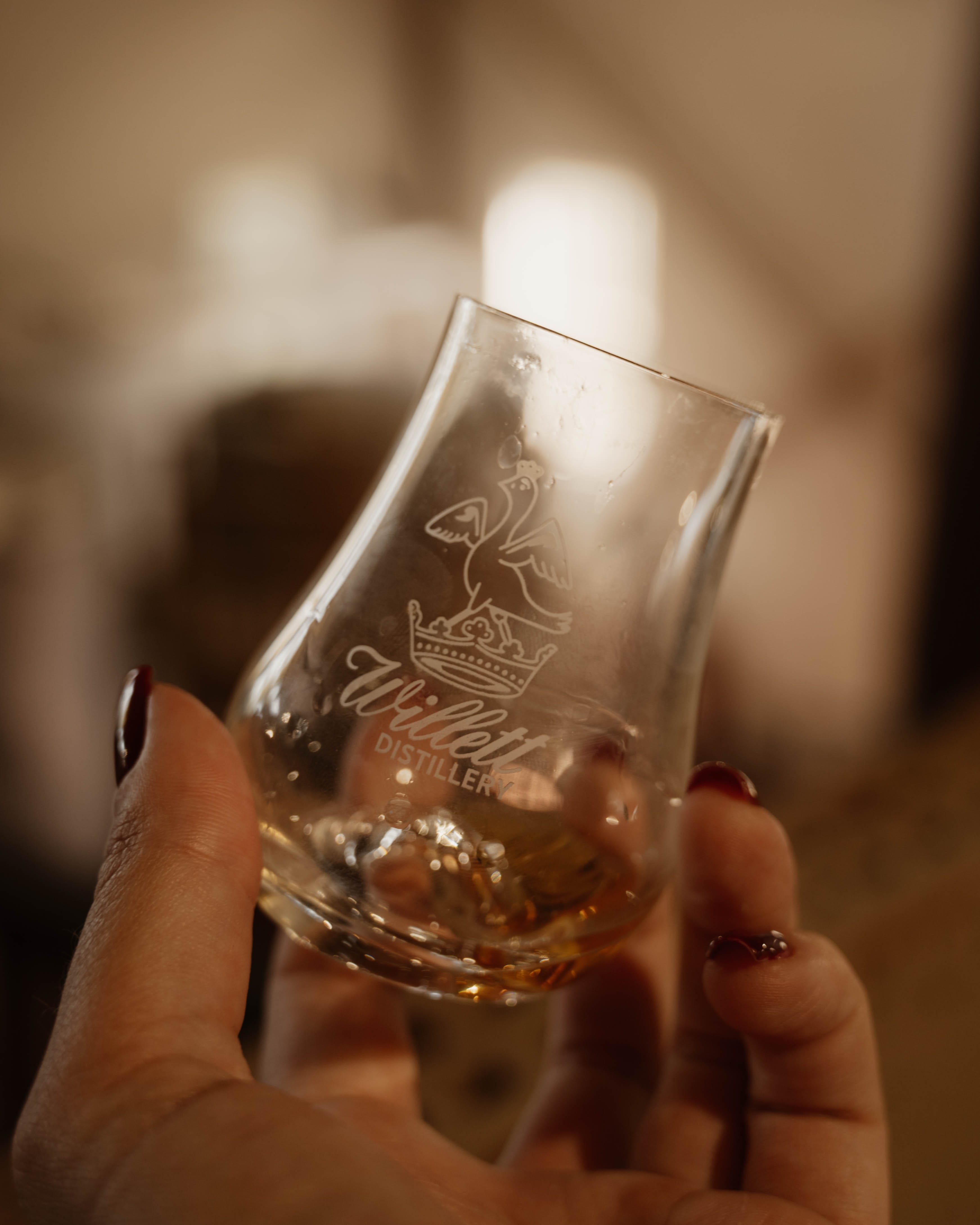
The Bottle That Started It All
My first Willett pour was the Pot Still Reserve, nearly 5 years ago now. It’s full of flavor, it’s definitely a sipper, and it’s got that little bit of fire I usually only find in a good rye.
And it’s kept my attention ever since.
So when I met the Willett marketing team at a Women Who Whiskey event in Minneapolis and they said, “Come see us in Kentucky,” I didn’t need to be asked twice.
(Full transparency: my tour was comped. My opinions are, as always, ALL mine.)
Grain to Glass, Minus the Boring Parts
The vats are alive. They’d just added yeast to one of the fermentation vats, and as we were finishing up talking about it, the whole thing started bubbling and took off right in front of us. Sweet, malty, fermenting grain. If you know, you know. (And if you don’t, you NEED to smell it once in your life! There’s really nothing like it.)
The still is MASSIVE. The pot still is about two stories tall, and down at the bottom of the distillery, it’s surprisingly loud. We’re talking - mic’d up, still needed to shout, could barely hear loud. Whiskey making certainly isn’t for the faint of heart…or the easily over-stimulated.
The cuts are everything. Every run gets split into heads, hearts and tails, and only the hearts are the good stuff. Get the cuts right, and you’ve got a whiskey that packs a punch. Get them wrong, and you’ve got a headache from your first sip. Head-heavy blends, I’m looking at you!


130 Degrees and Fourteen Years
The rick houses are painted black, and the top floors can hit 130 degrees. The windows and doors stay open to keep the air moving and cut down on the angel’s share, the whiskey that evaporates out of the barrel while it ages.
The lower floors stay cooler, so the whiskey matures slowly and gently: softer, rounder, more mellow. The upper floors get HOT, so the whiskey pushes deeper into the wood and pulls out more caramel, vanilla, spice and oak. The proof creeps up, too.
(Which is exactly why the upper-floor barrels tend to be my favorites!)
Some of the barrels in there had been resting for six years. Some for fourteen.
Let that sink in the next time you knock back a pour.
Through the Lens
This is the part I’ll be thinking about for a while.
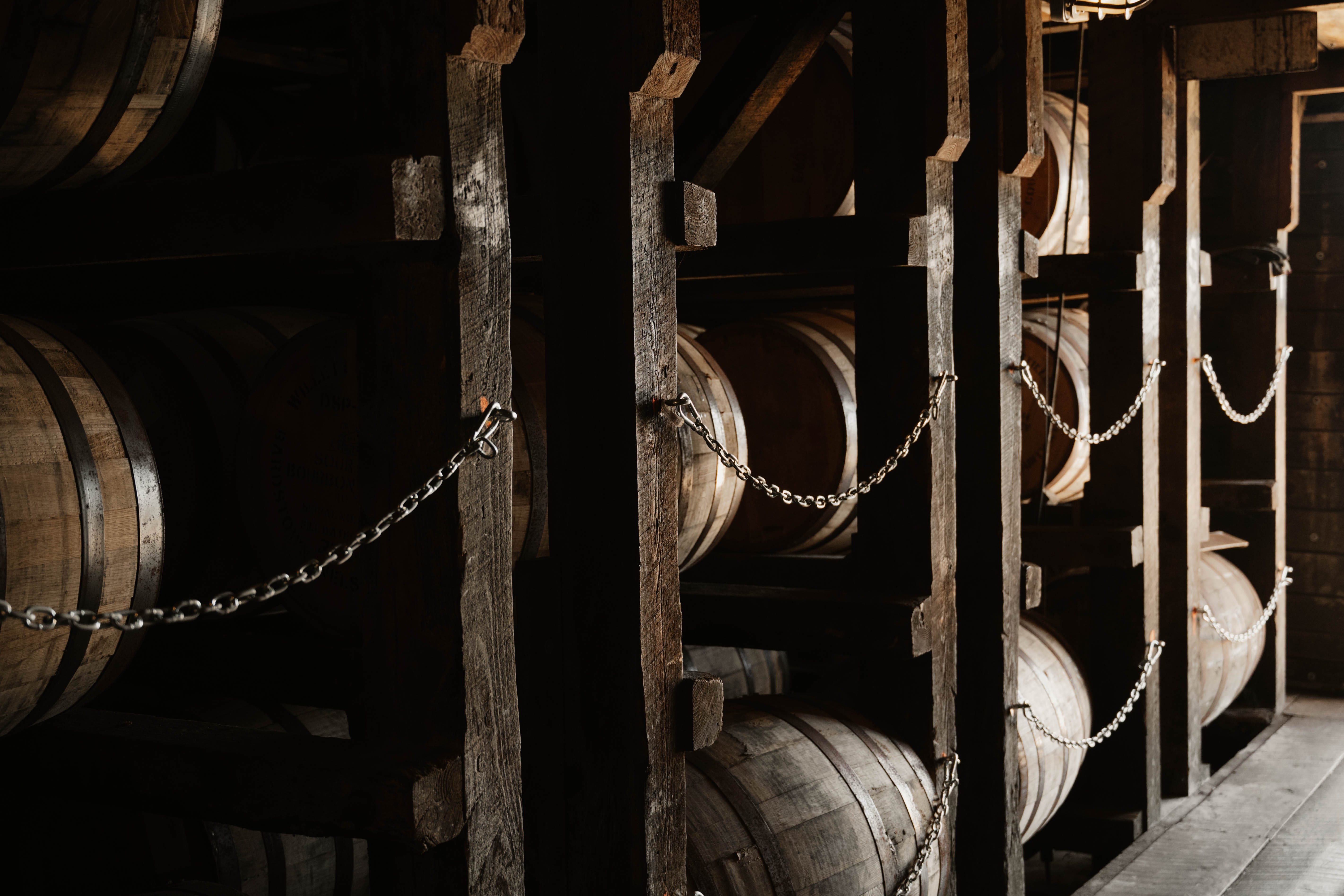
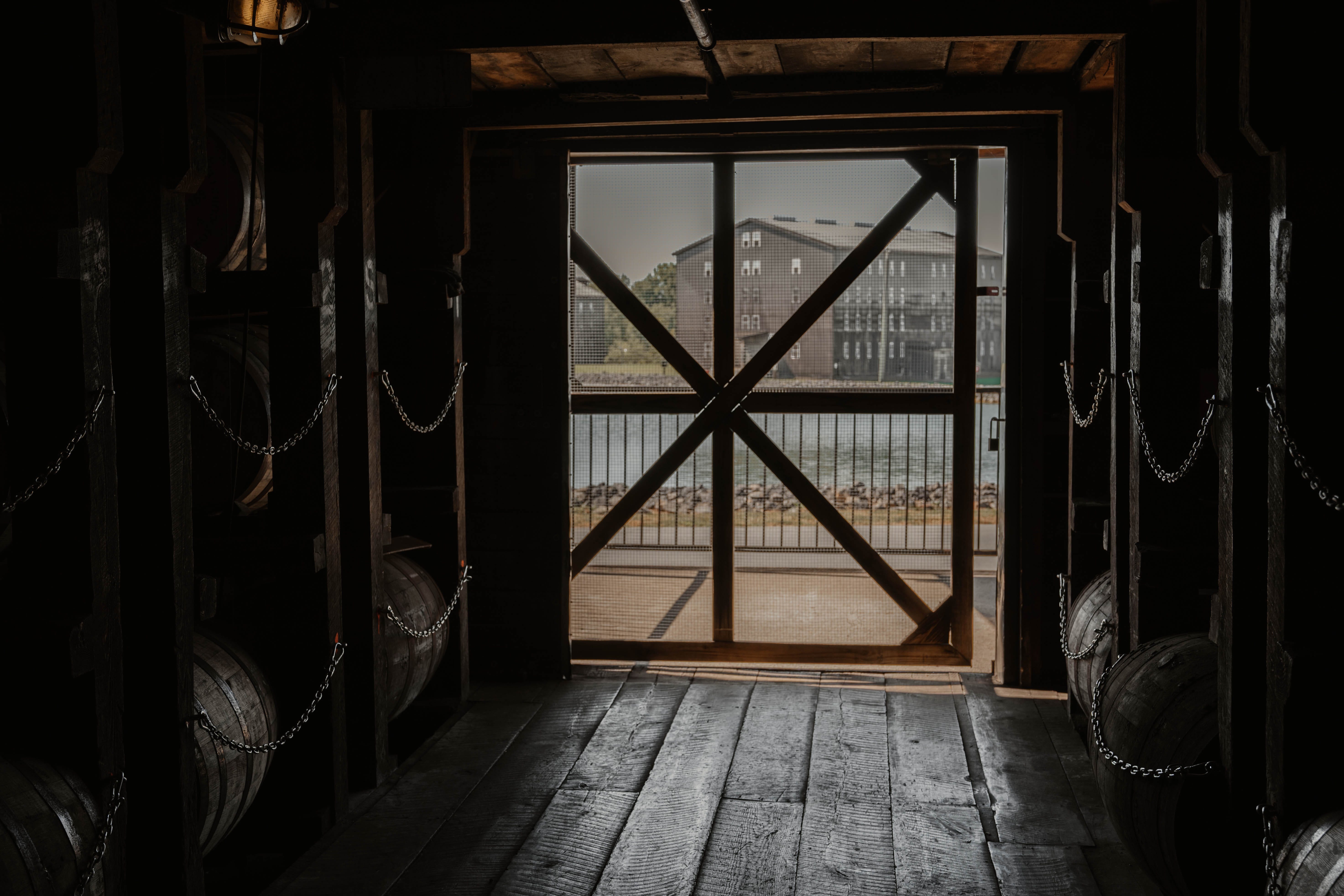
The first floor of the rick house is dark, but the light that comes in hits the chains and the wood in a way that feels almost nostalgic. Look out through the screened door, and you see rows of rick houses, a little pond and a ridiculously sunny Kentucky sky.
No filter needed.
We ended exactly where my Willett story started: with a pour of the Pot Still Reserve and a piece of dark chocolate.
Full circle moment - in the very best way.
Now, I was lucky to have a friend with me who swapped glasses with me for the four tour pours so I could try them all.
One of them they call "the trouble maker." Another one came with me to Miami. Here's which ones are worth your money:
